


Table of Contents
- 1 What It Means to Partner with an OEM UV Lamp Engineering Manufacturer
- 2 More Than Catalog Lamp Supply
- 3 The UV Engine Inside OEM Equipment
- 4 Engineering Support from Early Design Through Production
- 5 Built Around Output, Life, Safety, and Integration
- 6 Support for Established OEMs and Emerging Technology Developers
- 7 Long-Term Manufacturing and Supply Continuity
- 8 When to Partner with LightSources
- 9 Why OEMs Choose LightSources
- 10 Partner with LightSources for OEM UV Lamp Engineering
What It Means to Partner with an OEM UV Lamp Engineering Manufacturer
OEM UV equipment depends on the light source as a working technology platform rather than a commodity component. Lamp output, wavelength, geometry, electrical fit, heat behavior, replacement access, and supply continuity all influence how the final system performs in the field.
LightSources works with OEM manufacturers as an engineering and manufacturing partner for UV and specialty lamp programs. We support product teams that need standard lamp options, custom lamp development, private-label replacement strategies, prototype support, and production-ready supply for equipment that relies on consistent UV performance.
More Than Catalog Lamp Supply
A catalog lamp may meet basic wattage or base requirements, but OEM programs often require a deeper review before a lamp can be trusted in a commercial product platform. The system may require a specific spectral range, a compact geometry, a proprietary socket, a known electrical interface, or a long-term replacement plan that supports products already installed in the field.
LightSources supports OEM teams by looking at the lamp within the complete system. That includes the physical envelope, ballast requirements, thermal limits, lamp orientation, and target surface or chamber geometry. It also means accounting for output stability, maintenance access, and the documentation needed for equipment validation and lifecycle planning.
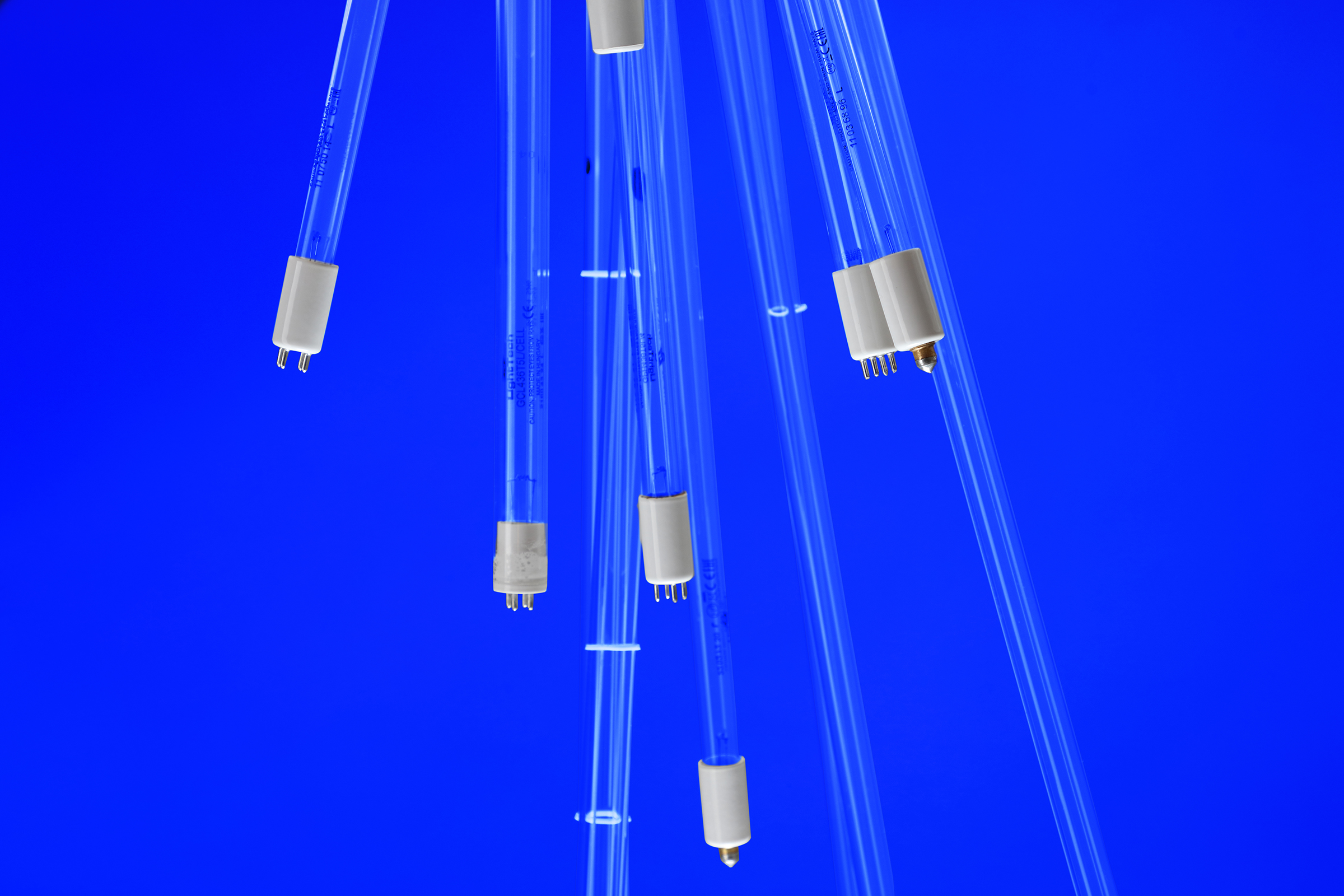
The UV Engine Inside OEM Equipment
Many UV systems are sold under the OEM brand, but the system depends on the lamp technology inside the equipment. LightSources supports that role by engineering UV lamp solutions that help OEMs deliver dependable performance for disinfection, curing, phototherapy, inspection, specialty fluorescent applications, and other technical applications.
This approach helps OEMs protect their own equipment brand while working with a lamp partner focused on output, life, safety, and integration. The goal is not simply to provide a bulb that fits. The goal is to support the UV function that drives the system result.
Engineering Support from Early Design Through Production
OEM partnerships may begin with a new design, an upgrade to an existing system, a second-source transition, or a private-label replacement program. In each case, LightSources works with engineering and procurement teams to align lamp design with product performance, manufacturing realities, and long-term commercial support.
A typical OEM engagement may include these stages:
- Application and system requirement review
- Lamp family, wavelength, and form factor evaluation
- Electrical, mechanical, and thermal integration support
- Prototype lamp development and design iteration
- Validation support under intended operating conditions
- Manufacturing scale-up and lifecycle supply planning
Built Around Output, Life, Safety, and Integration
LightSources uses a practical engineering framework for OEM UV lamp programs. The most important questions usually fall into four areas.
Output
Output includes the wavelength, irradiance, dose delivery, and stability required for the application. In a UV disinfection system, output affects microbial exposure. In UV curing, it affects cure speed, depth, adhesion, and surface properties. In phototherapy or inspection equipment, wavelength accuracy and stability are central to system function.
Life
Lamp life affects uptime, service intervals, warranty planning, and replacement strategy. OEMs need lamp performance that supports expected duty cycles and replacement schedules without creating unnecessary field service risk.
Safety
UV systems require proper engineering controls, shielding, interlocks, handling procedures, material compatibility review, and compliance planning. LightSources supports OEM programs with lamp engineering and documentation that helps product teams build safe, controlled UV equipment.
Integration
Integration covers the practical details that determine whether a lamp will work in the final product. These details include lamp geometry, base and socket design, electrical interface, thermal conditions, service access, replacement fit, and compatibility with the OEM equipment platform.
Support for Established OEMs and Emerging Technology Developers
LightSources works with global OEM equipment manufacturers and smaller technology developers, bringing specialized UV products to market. Larger OEMs may need production scale, documentation, and long-term replacement support. Emerging OEMs may need help with prototyping, practical design feedback, and a clear path from concept to a manufacturable supply of lamps.
Both types of programs benefit from a lamp partner that understands the technical and commercial demands of OEM product development. The same lamp decision can affect system efficiency, production schedules, service revenue, field reliability, and customer satisfaction.
Long-Term Manufacturing and Supply Continuity
OEM UV products often remain in production and service for many years. LightSources supports this lifecycle with recurring manufacturing, change management, production planning, and coordinated supply for custom and standard lamp platforms.
This matters when an OEM needs replacement lamps for an installed base, support for a legacy system, or a second-source strategy for a lamp that was previously supplied by another manufacturer. Supply continuity protects the equipment platform and helps avoid unnecessary redesign when the original lamp source changes.
When to Partner with LightSources
OEM teams often contact LightSources when a lamp decision has become too important to handle through basic sourcing. These situations may involve new equipment development, field performance issues, changing supplier availability, discontinued lamps, or a need to control the aftermarket replacement channel.
LightSources is a strong fit when OEMs need:
- Custom UV lamp geometry or output characteristics
- A proprietary base, socket, or branded lamp program
- Support replacing or matching an existing lamp platform
- Engineering input for ballast, thermal, and mechanical fit
- Prototype development before production release
- Long-term supply for OEM replacement programs
- Quality-controlled manufacturing and documentation support
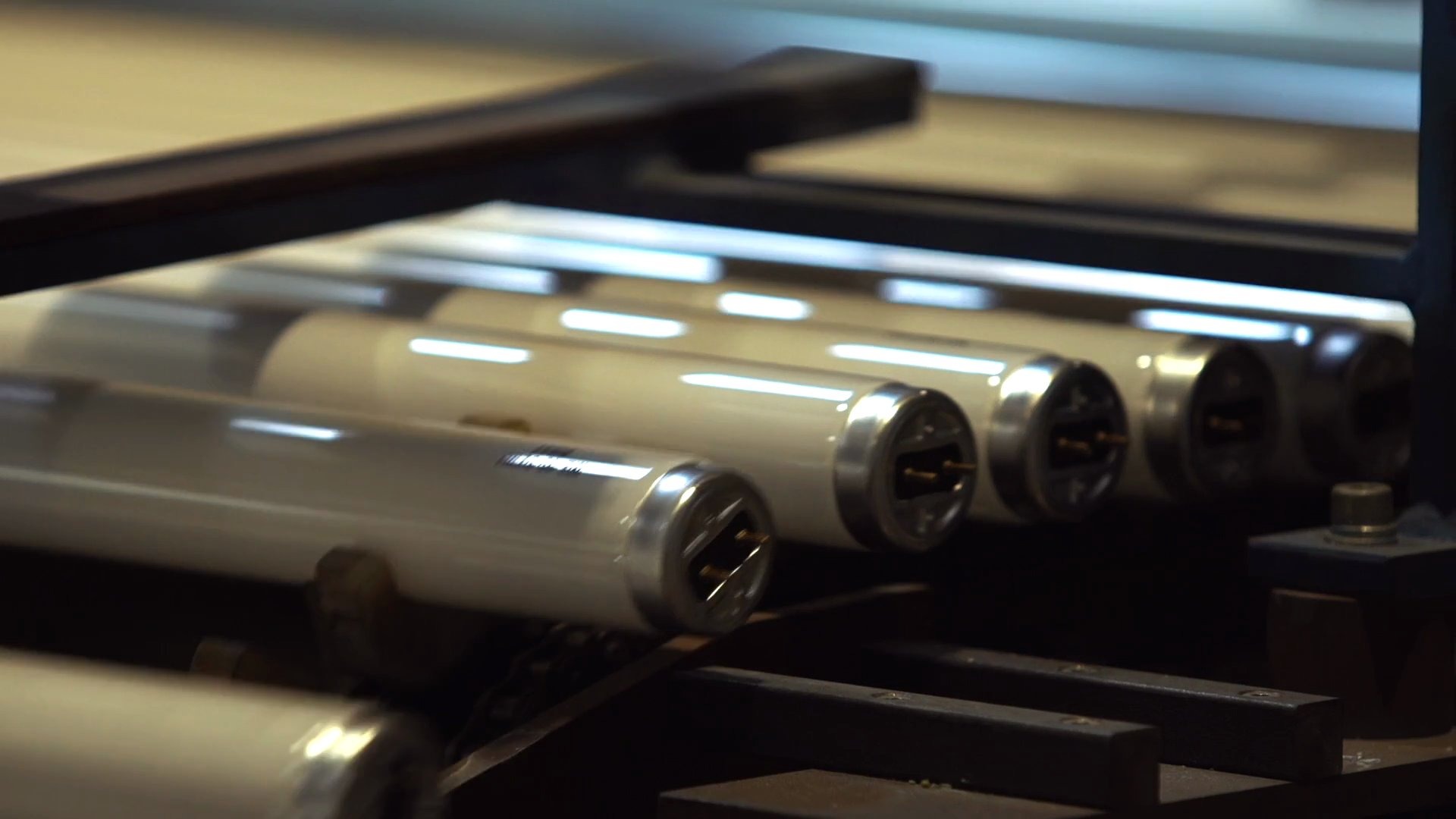
Why OEMs Choose LightSources
LightSources gives OEM manufacturers a direct path to lamp engineering, production support, and long-term supply without forcing the product team into a one-size-fits-all lamp selection. The result is a more controlled approach to UV equipment development, especially when the system must operate reliably in water treatment, HVAC, healthcare, curing, industrial, phototherapy, or specialty applications.
The partnership model helps OEM teams move from specification to prototype to production with a lamp supplier that understands how the light source affects the full product. That is the core value of working with LightSources as an OEM UV lamp engineering partner.
Partner with LightSources for OEM UV Lamp Engineering
LightSources engineers UV and specialty lamp solutions that help OEM manufacturers build equipment around reliable output, practical integration, and long-term service support. As an ISO 9001:2015-certified supplier with global OEM experience, we support product teams from early design and prototyping through production manufacturing to lamp supply throughout the product lifecycle.
Contact us to discuss your OEM UV lamp engineering requirements.