
Table of Contents
- 1 Engineering UV Lamps Around the Final System
- 2 Custom Lamp Design and Development
- 3 Spectral Output and Application Performance
- 4 Electrical and Mechanical Integration
- 5 Thermal and Operating Environment Considerations
- 6 Modeling, Testing, and Validation Support
- 7 Prototype Development and Design Iteration
- 8 Proprietary Bases, Sockets, and Custom Interfaces
- 9 Engineering Support Across UV Technologies
- 10 Engineering Questions OEMs Should Answer Early
- 11 Work with LightSources on UV Lamp Engineering
Engineering UV Lamps Around the Final System
A UV lamp cannot be selected by wattage, length, or base type alone. It also has to support the system’s required wavelength, UV output, electrical interface, thermal conditions, service access, and expected operating life.
LightSources works with OEM product teams to align the lamp with the full equipment design. This includes standard, modified, and custom-engineered lamps for UV disinfection, UV curing, phototherapy, inspection, specialty fluorescent, and other technical applications.
Custom Lamp Design and Development
Custom lamp design begins with a practical review of the application and equipment architecture. The lamp may need to fit a defined enclosure, deliver a specific wavelength range, operate within certain thermal limits, connect to an existing electrical interface, or support an OEM-specific replacement strategy.
LightSources engineering support may include lamp length, diameter, geometry, base configuration, socket interface, quartz or glass considerations, output targets, and construction details to ensure the lamp operates correctly in the system. The final design depends on what the equipment must do and how the lamp must function inside it.
Spectral Output and Application Performance
Different UV applications depend on different wavelength ranges. In germicidal applications, the lamp must deliver UV disinfection performance for water, air, surfaces, or enclosed equipment. In curing applications, the lamp must match the chemistry, substrate, line speed, and cure depth requirements. In phototherapy and inspection equipment, wavelength accuracy and output stability may be the most important performance factors.
LightSources works with OEM teams to evaluate spectral requirements before the lamp is finalized. This helps ensure that the UV output supports the intended process rather than simply matching a general lamp category.
Electrical and Mechanical Integration
Lamp integration depends on the relationship between the lamp, ballast, socket, mounting arrangement, enclosure, cooling approach, and service access. A lamp that looks correct on paper may not support reliable system performance if the electrical interface, base type, or thermal conditions are not properly reviewed.
LightSources supports OEM teams with engineering input related to:
- Voltage, current, and ballast compatibility
- Lamp bases, sockets, and pin configurations
- Mechanical envelope and mounting constraints
- Lamp orientation and service access
- Proprietary interfaces and private-label replacement control
- Electrical and mechanical fit for legacy equipment platforms
Thermal and Operating Environment Considerations
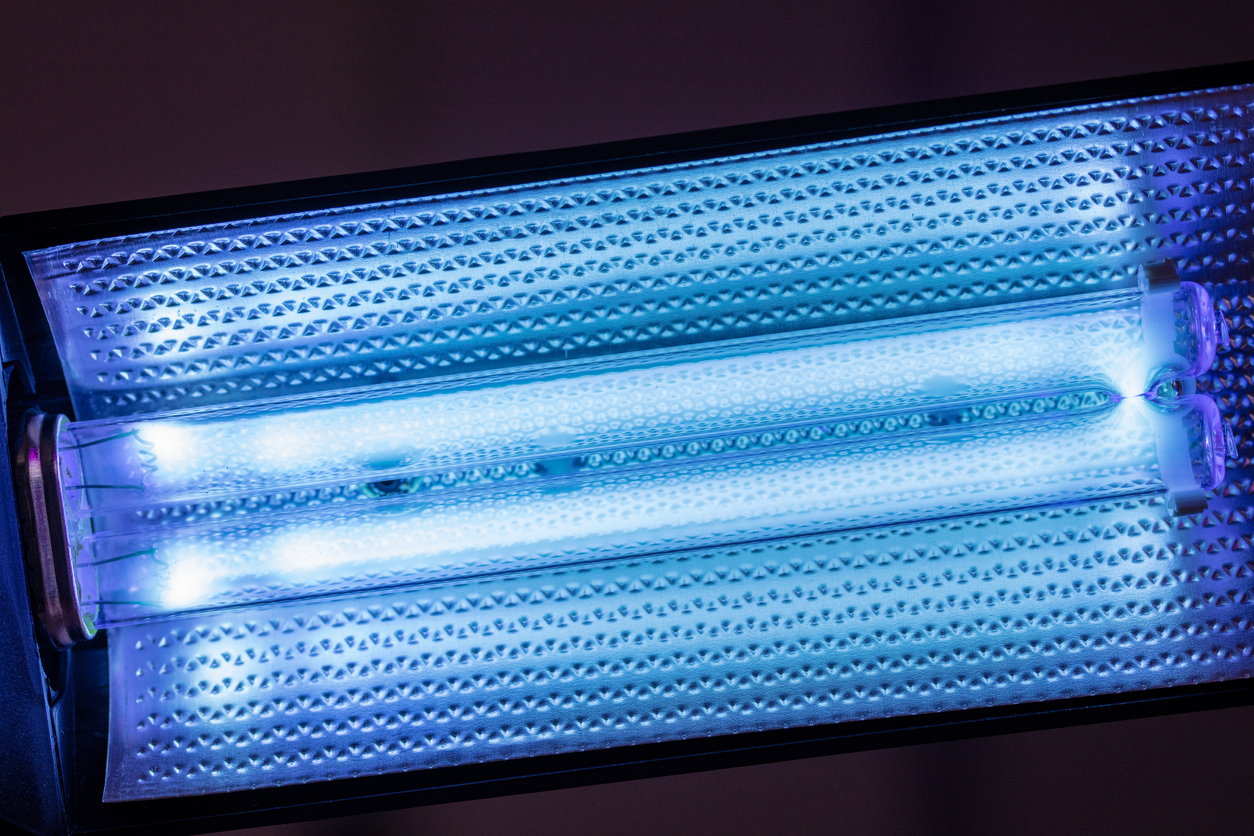
UV lamp performance is affected by heat, airflow, water temperature, enclosure design, duty cycle, and other operating conditions. High-output lamps, compact systems, HVAC equipment, curing units, and enclosed medical or industrial devices can all present different thermal challenges.
An engineering review helps OEM teams evaluate whether the lamp can operate in the intended environment. This may involve airflow considerations, heat exposure, lamp position, material compatibility, and maintenance access. The goal is to support stable output and service life under realistic operating conditions.
Modeling, Testing, and Validation Support
Many UV applications require more than lamp selection. OEMs need to understand how irradiance and dose are delivered across the target area, fluid path, air stream, surface, or process zone. LightSources supports OEM partners by helping evaluate lamp performance under real operating conditions and by supporting validation work tied to system requirements.
This can be especially important for systems where distance, geometry, reflectors, flow rate, exposure time, or shadowing can change performance. Proper review helps OEM teams confirm that lamp selection aligns with the intended application and equipment design.
Prototype Development and Design Iteration
Prototype lamps allow OEM engineers to evaluate fit, output, heat behavior, serviceability, and operating stability before production release. This is often where practical design issues become clear. The lamp may need a different base, a modified geometry, a different length, or a more controlled integration approach.
LightSources supports prototype development and design iteration, enabling OEM teams to move from concept to production with greater confidence. Prototype work also helps define the manufacturing and quality requirements that will support the product after launch.
Proprietary Bases, Sockets, and Custom Interfaces
Some OEM programs require more than a standard lamp interface. Proprietary bases, sockets, and custom interfaces can help protect replacement quality, support brand identity, and reduce the risk of incompatible field substitutions.
LightSources works with OEM manufacturers on custom-branded and proprietary lamp configurations when the equipment platform requires a controlled replacement strategy. This can support both technical compatibility and aftermarket clarity for the OEM’s installed base.
Engineering Support Across UV Technologies
LightSources supports a broad range of UV and specialty lamp technologies. The engineering approach changes by application, but the core requirements remain consistent: output, life, safety, and integration must all be considered before the lamp becomes part of the OEM system.
Common engineering areas include:
- Germicidal UVC lamps for water, air, and surface UV disinfection systems
- UV curing lamps for printing, coatings, adhesives, composites, and industrial manufacturing
- Specialty fluorescent lamps for phototherapy, actinic, inspection, and technical uses
- Backlighting and specialty lighting platforms
- Custom bases, sockets, lampholders, and wiring devices for OEM equipment
LightSources is your OEM UV Lamp Manufacturer & Engineering Partner.
Engineering Questions OEMs Should Answer Early
The most successful OEM lamp programs begin with clear technical input. LightSources can help define and refine requirements, but the project moves faster when the product team can describe the operating environment and performance objective.
Helpful early questions include:
- What wavelength or spectral range does the application require?
- What target surface, volume, fluid path, or process zone must receive UV exposure?
- What ballast, socket, and electrical interface will be used?
- What thermal conditions will the lamp operate under?
- How will the lamp be installed, serviced, and replaced?
- Is the lamp part of a standard, custom, or private-label OEM program?
Work with LightSources on UV Lamp Engineering
LightSources engineers UV and specialty lamp solutions for OEM systems where performance depends on the relationship between lamp output, system design, and long-term supply. As an ISO 9001:2015 certified supplier, we support OEMs with custom design, prototyping, validation support, controlled manufacturing, and global production experience.
Contact us to discuss UV lamp engineering capabilities for your OEM system.