
OEM UV Lamp Programs Built Around Product Requirements
OEM UV lamp programs do not all begin at the same point. Some start with a new product concept. Others begin when an existing system needs improved performance, a more secure supply chain, or a replacement-lamp strategy that protects the installed equipment base.
LightSources supports several OEM program types for manufacturers that build UV-based equipment. Each program is structured around the system requirement, the lamp function, the production schedule, and the long-term supply plan.
New Product Development Programs
New product development programs support OEM teams designing UV equipment before the final lamp platform is selected. This may include early decisions about lamp layout, output requirements, ballast compatibility, enclosure design, thermal conditions, and service access.
LightSources works with product development teams to review the application, define lamp requirements, and evaluate whether a standard, modified, or custom-engineered lamp is the right fit. Addressing these details early helps reduce the risk of redesign before the product reaches production release.
New development support may include:
- Wavelength and lamp family review
- Mechanical envelope and base configuration input
- Electrical interface and ballast compatibility review
- Prototype lamp development
- Application performance evaluation
- Production planning for future demand
Performance Upgrade Programs for Existing Equipment
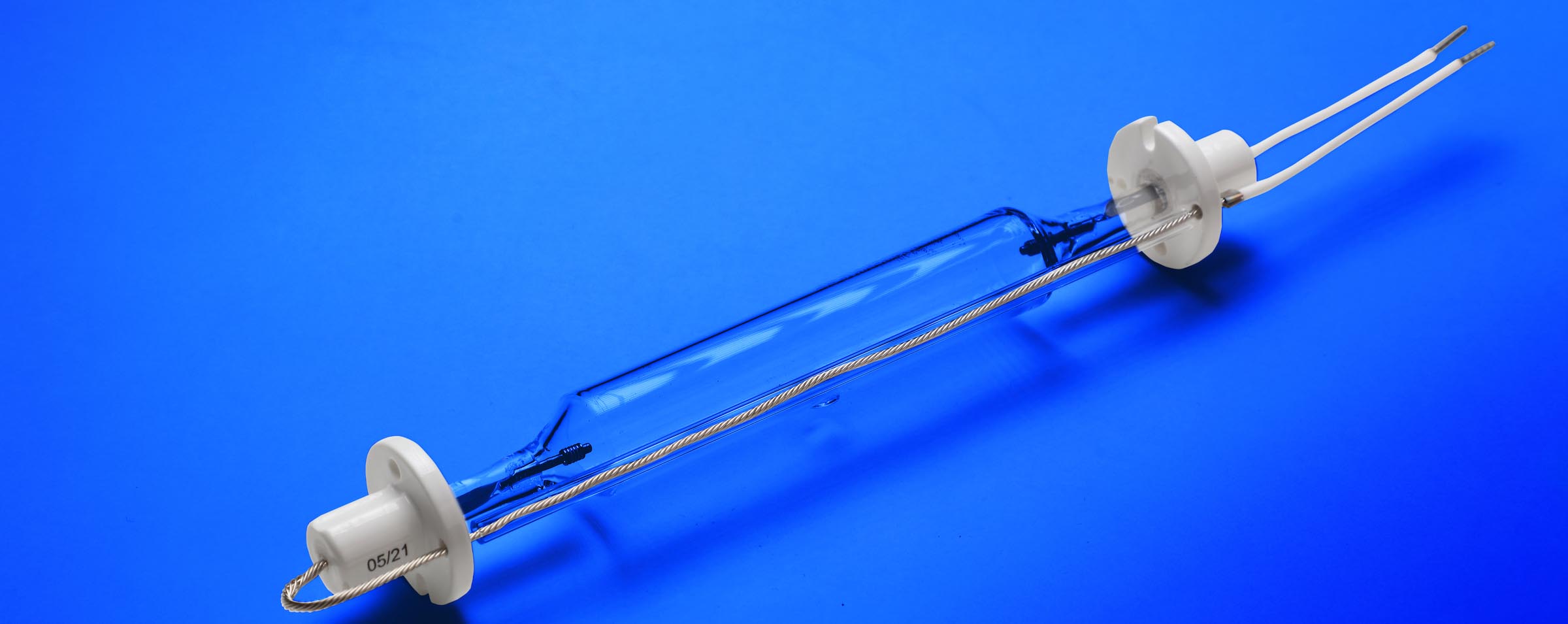
OEMs may also work with LightSources when a current equipment platform needs better UV performance, improved serviceability, or a more controlled replacement lamp strategy. These projects may involve a known system where the lamp is already specified, but the OEM wants to improve output consistency, field reliability, manufacturing availability, or aftermarket control.
Performance upgrade programs can involve changes to lamp construction, geometry, base configuration, proprietary interfaces, or other lamp details that affect how the component performs inside the equipment. The goal is to improve the lamp-system relationship without creating unnecessary disruption for the OEM or its customers.
Second-Source and Supply Chain Transition Programs
Second-source programs help OEMs reduce supply risk when a current lamp source becomes unavailable, inconsistent, costly, or difficult to support. These programs are also important when an OEM relies on lamps used in legacy systems, discontinued platforms, or long-service equipment that still requires reliable replacement parts.
LightSources can evaluate the original lamp specification and support the development of equivalent or custom replacements based on the electrical, mechanical, spectral, and performance needs of the existing system. Matching wattage alone is not enough. OEM second-source work should account for voltage, current, base type, lamp dimensions, wavelength, output profile, ballast compatibility, and operating environment.
This type of program may be appropriate when an OEM needs:
- A replacement for a discontinued or difficult-to-source lamp
- A compatible lamp for an existing installed equipment base
- Supply continuity for long-lifecycle systems
- A technical review before changing lamp suppliers
- Documentation and change management for production transition
Private-Label and Custom-Branded Lamp Programs
Private-label lamp programs help OEMs protect brand identity, support controlled replacement strategies, and maintain a direct connection between the equipment platform and the approved lamp component. These programs may include custom branding, proprietary bases, custom sockets, unique electrical interfaces, or other design details that support OEM equipment and aftermarket needs.
For some OEMs, private-label support is about brand presentation. For others, it is about ensuring that replacement lamps align with approved system specifications. A proprietary lamp or socket strategy can help reduce the risk of field substitutions that do not match the original equipment requirements.
Prototype and Pilot Production Programs
Prototype and pilot programs give OEM teams a practical way to evaluate lamp performance before committing to full production. Prototype work may be used to test lamp fit, UV output, thermal behavior, operating stability, and service access inside the actual equipment design.
This stage is especially useful when a system uses a compact enclosure, an unusual geometry, a high duty cycle, or an application-specific wavelength requirement. Prototype feedback can help refine both the lamp and the product design before production tooling, documentation, and commercial launch.
Production and Lifecycle Supply Programs
Once a UV equipment platform moves into production, the OEM needs more than an approved lamp design. It needs consistent manufacturing, forecasting, schedule coordination, quality controls, and replacement availability that support equipment already in service.
LightSources supports recurring production programs with manufacturing planning and lifecycle supply support. This helps OEMs manage production demand, replacement lamp availability, future changes, and long-term supply expectations across product generations.
Custom Integration Programs
Some OEM projects require custom integration work because the lamp must fit within a defined equipment architecture. These programs may address base and socket selection, lamp orientation, thermal exposure, mounting constraints, wiring, ballast compatibility, service access, and replacement control.
Custom integration programs are common when the lamp is central to product performance rather than simply a replaceable accessory. LightSources helps OEM teams evaluate how lamp design and system design must work together to support predictable performance.
How to Choose the Right OEM Program Type
The best starting point depends on the product stage and the reason for the lamp review. LightSources can help OEM teams define the right path based on engineering requirements, production goals, and lifecycle needs.
Use these starting points as a practical guide:
- Choose new product development support when the UV system is still being designed.
- Choose performance upgrade support when an existing equipment platform needs improvement.
- Choose a second-source support when a current lamp supply is unstable or changing.
- Choose private-label support when brand control or an approved replacement strategy is important.
- Choose prototype support when the lamp must be evaluated before production release
OEM UV Lamp Manufacturer & Engineering Partner
Common OEM Program Questions
Can LightSources support both standard and custom UV lamp programs?
Yes. LightSources supports standard lamp supply, modified lamp configurations, custom lamp engineering, and private-label programs depending on the OEM system and commercial requirements.
Can an OEM use LightSources as a second source for an existing UV lamp?
In many cases, yes. LightSources can review the original lamp requirements and evaluate whether a technically compatible replacement or custom-engineered alternative can support the existing system.
When should an OEM involve LightSources in a new product program?
The best time is early in the design process, before the enclosure, ballast, lamp position, service access, and output requirements are fully locked. Early input can reduce redesign risk and improve production readiness.
Start an OEM UV Lamp Program with LightSources
LightSources supports OEM UV lamp programs from early concept and prototype development through production manufacturing and lifecycle replacement supply. As an ISO 9001:2015 certified supplier with global OEM support, we help equipment manufacturers align lamp performance, integration, quality, and supply strategy around the final system.
Contact us to discuss the right OEM UV lamp program type for your equipment platform.