


Air disinfection with germicidal UVC lamps uses ultraviolet light at UVC 254 nm to inactivate bacteria, viruses, and mold spores as air moves through HVAC systems, upper-room fixtures, and air-cleaning equipment, and LightSources designs and manufactures the UVC lamps that OEMs build into those systems. Standard and custom lamp configurations are available, with engineering support from prototype through production.
What is UV air disinfection?
UV air disinfection, also called ultraviolet germicidal irradiation (UVGI), exposes airborne microorganisms to UVC light that damages their DNA and RNA, preventing them from reproducing. Low-pressure mercury lamps emit most of their energy at UVC 254 nm, close to the wavelengths microorganisms absorb most strongly, which is why they are the standard source for germicidal air treatment. LightSources low-pressure mercury lamps convert about 40% of electrical power to UV-C at 254 nm.
UVC treatment adds no chemicals to the air and leaves no residue. It works as one layer of an indoor air quality strategy alongside ventilation and filtration: filters capture particles, while UVC inactivates the microorganisms that pass through the irradiated zone. Learn how UV light kills bacteria in air treatment systems.

How does UVC disinfect air in HVAC and room systems?
UVC disinfects air in two main ways: inside the air handling system, where air passes the lamps as it circulates, and in the room itself, where shielded fixtures treat the air above the people below.
In-duct HVAC systems
In-duct UVGI lamps are mounted in air handlers, ductwork, or near cooling coils and drain pans. They treat moving air and keep coil surfaces free of the microbial growth that restricts airflow and raises energy use. Lamp output, air velocity, and the time air spends in the irradiated zone together set the dose each microorganism receives. ASHRAE recognizes UVGI as an air-cleaning strategy for controlling infectious aerosols (ASHRAE UVGI short course). For system-specific detail, see UV light for HVAC, UV light for AC units, and UV light for furnaces.
Upper-room and portable units

Upper-room UVGI fixtures are mounted high on walls or ceilings and shielded so UVC is directed into the upper part of the room, above the occupied zone. Room air circulates through that zone and is treated continuously. The CDC and NIOSH publish guidance on upper-room UVGI for controlling airborne infection. Portable towers and disinfection robots treat unoccupied rooms between uses. Learn more about UV room disinfection and UV disinfection robot lamps.
What is the difference between UVC and ozone-generating lamps?
The difference is the 185 nm line: ozone-free lamps block 185 nm and emit germicidal UVC at 254 nm only, while ozone-generating lamps pass ozone at 185 nm, which converts oxygen in the air into ozone. LightSources makes both versions, so OEMs can choose by application. Ozone is a strong oxidizer that reaches areas UV light cannot and breaks down odor-causing compounds and volatile organic compounds (VOCs), so ozone-generating lamps are used in exhaust streams, odor control, and unoccupied spaces. Systems that treat the air people breathe use ozone-free lamps. Read more about UVC ozone lamps and UV odor control.

Is UVC air disinfection safe in occupied spaces?

Yes, when the system is designed so people are not exposed to direct 254 nm radiation. Conventional UVC can irritate skin and eyes, so in-duct systems keep lamps enclosed, upper-room fixtures are shielded and mounted above head height, and portable units use interlocks, motion sensors, and timers to run only in empty rooms. Far-UVC 222 nm is being studied and adopted for occupied-space air disinfection because it penetrates skin and eyes far less than 254 nm. Learn more about far-UVC 222 nm effectiveness and safety.
Where is UV air disinfection used?
UV air disinfection is used wherever enclosed air carries a risk of microbial contamination, odor, or coil fouling. Common settings include:
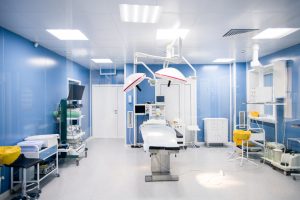
- Hospitals and healthcare facilities: HVAC systems, isolation rooms and waiting areas, along with UV light disinfection in hospitals for surfaces.
- Commercial buildings, schools and public venues: air handlers serving offices, classrooms, malls and theaters.
- Restaurants and food service: dining-area air, kitchen exhaust hoods and odor control. See UV light restaurant disinfection solutions.
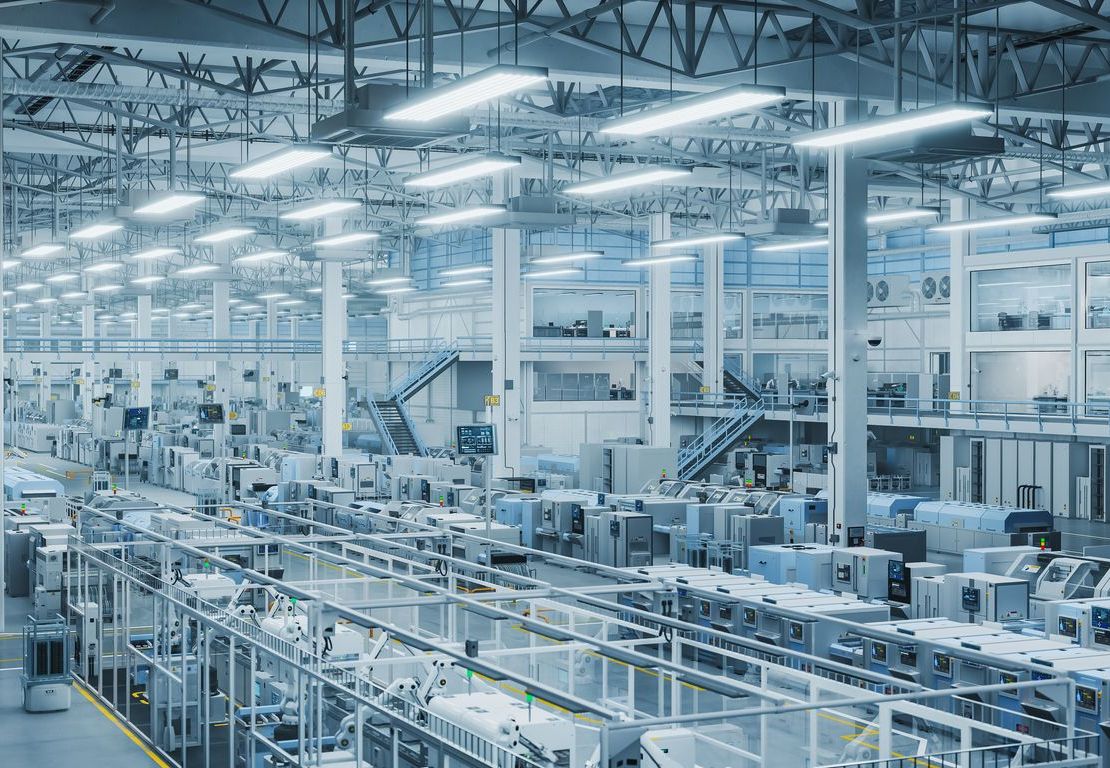
- Industrial and food processing plants: large air handlers and exhaust streams carrying VOCs or odors. See industrial UV air systems.
- Transportation: ventilation systems in aircraft, trains, buses, and ships.
- Residential HVAC: lamps in home air conditioners and furnaces.
See how UV air disinfection benefits many industries and environments, and review the industries served by LightSources OEM UV lamp engineering.
Which UVC lamps are used for air disinfection?
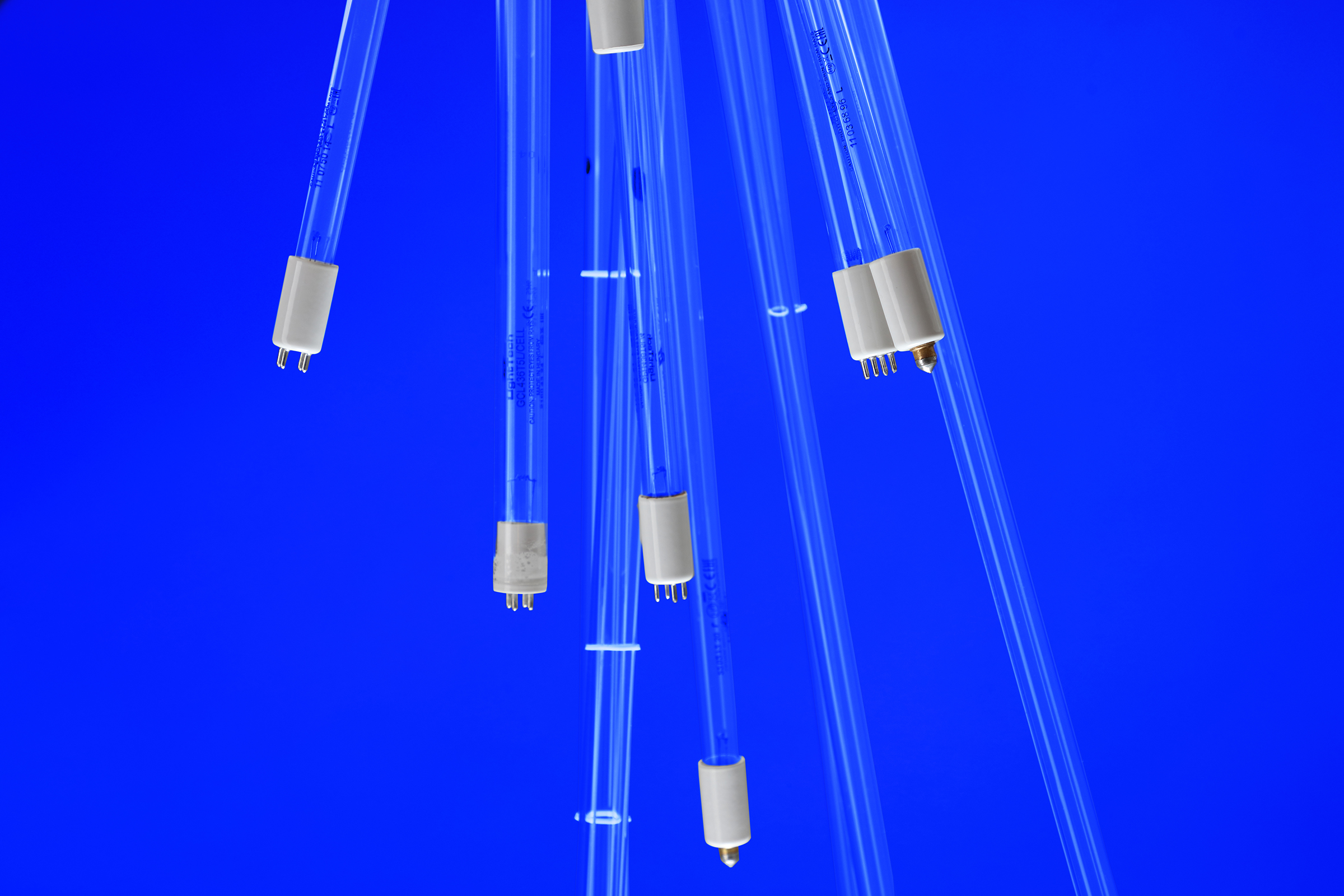
Most air disinfection systems use low-pressure mercury or low-pressure amalgam lamps, chosen by airflow, duct size, and air temperature. LightSources manufactures each of these lamp types for OEM air systems:
- Low-pressure mercury lamps: standard UVC 254 nm output for HVAC, upper-room and portable units.
- High-output quartz lamps: LightSources high-output quartz lamps produce up to 66% more UV output than standard lamps of the same length, for higher airflow in a limited space.
- Pellet amalgam lamps: LightSources pellet amalgam lamps deliver up to 3x the UV-C output of comparable standard lamps of the same length and hold their output across a wider temperature range, which suits large air handlers.
- Medium-pressure UV lamps: LightSources medium-pressure UV lamps range from 100 to more than 700 watts per inch, for air systems that need high-intensity UV exposure in a short time.
- Ozone-generating and ozone-free lamps: the ozone-generating option passes 185 nm for odor and VOC control; the ozone-free option blocks 185 nm.
- LongLife+ coating: the LightSources LongLife+ coating extends operating life up to 16,000 hours and reduces output depreciation on high-intensity lamps.
- Electronic ballasts: ballasts matched to each lamp for reliable starting and stable output.
Browse the full range of UVC germicidal lamps, and read how quality lamps enhance the benefits of UV air purification systems.
How do you choose a UVC lamp for an air disinfection system?
The right lamp depends on how much UVC dose the air needs, how fast the air moves and the temperature where the lamp sits.
- Airflow and exposure time: faster air spends less time in the irradiated zone, so it needs higher-output lamps or more lamps.
- Air temperature: standard lamp output drops in cold or very warm airstreams, while amalgam lamps hold output over a wider range.
- Ozone: systems treating occupied-space air use ozone-free lamps; exhaust and odor systems may use ozone-generating lamps.
- Fit and electrical design: lamp length, base, and ballast must match the equipment.
- Service life: UVC output declines with operating hours, so replacement intervals should be planned around the dose the system must deliver.
OEM UV lamp engineering for air disinfection systems
LightSources works with OEMs as a lamp co-engineering partner, not only a lamp supplier, matching lamp output, length, base and ballast to the airflow and housing of each air disinfection system. Through the LightSources Rapid Prototype Program, engineers can evaluate custom lamps before committing to production. LightSources is an ITAR-registered manufacturer, ISO 9001:2015 registered, and works with affiliates LightTech, LCD Lighting, Voltarc, and Cerlux to supply OEM programs.
Frequently Asked Questions About Air Disinfection
These answers cover common questions about UVC air disinfection. More lamp questions are answered on the LightSources General FAQs page.
Does UVC air disinfection kill viruses and mold spores?
Yes. UVC at 254 nm inactivates viruses, bacteria, and mold spores by damaging their DNA or RNA so they cannot reproduce. The result depends on dose: lamp output, distance, and the time air spends near the lamps. See the General FAQs for more on how UVC works as a germicide.
Does UV air disinfection replace HVAC filters?
No. UV air disinfection works with filtration, not in place of it: filters capture dust and particles, while UVC inactivates microorganisms that pass the lamps. Lamps installed near cooling coils also keep coils and drain pans cleaner, helping the HVAC system maintain airflow. See UV light for HVAC for coil applications.
Can UV lamps clean industrial exhaust air?
Yes. UV lamps are used in industrial air cleaning systems to break down VOCs and solvent-laden exhaust from manufacturing processes. These systems often use ozone-generating lamps that pass 185 nm, because ozone oxidizes contaminants the UV light does not reach directly, and they are installed in contained exhaust streams rather than occupied spaces. The General FAQs cover more industrial air questions.
How long do UVC lamps for air disinfection last?
UVC lamp output declines gradually with operating hours, so lamps are replaced on a schedule rather than when they burn out, often once a year in continuously running systems. The LightSources LongLife+ coating extends operating life up to 16,000 hours and reduces output depreciation on high-intensity lamps. Replacement timing should follow the dose the equipment must deliver; see the General FAQs for more on lamp life.
What protective equipment is needed around UVC air disinfection systems?
Anyone servicing an air system, or working in a room during whole-room UVC treatment, should wear UV-rated eye protection or a face shield and cover exposed skin. Well-designed systems avoid this need during normal use: in-duct lamps are enclosed, upper-room fixtures are shielded, and portable units shut off when people enter. More safety answers are on the General FAQs page.
LAMP PRODUCT DATA:
LAMP APPLICATIONS:
LightSources designs and manufactures germicidal UVC lamps for OEM air disinfection systems, including HVAC, upper-room, portable and industrial air-cleaning equipment. Lamp options include low-pressure mercury, high-output quartz, and pellet amalgam lamps in ozone-free and ozone-generating versions, with matched ballasts and custom designs. Contact Us to learn more about LightSources UVC lamps for air disinfection.